Let's Build a Better US-71!

Reconnecting the East Side involves not only restoring key connections but also reviving community, residential, civic, and spiritual connections. We are now reviewing initial alternatives and evaluation criteria.

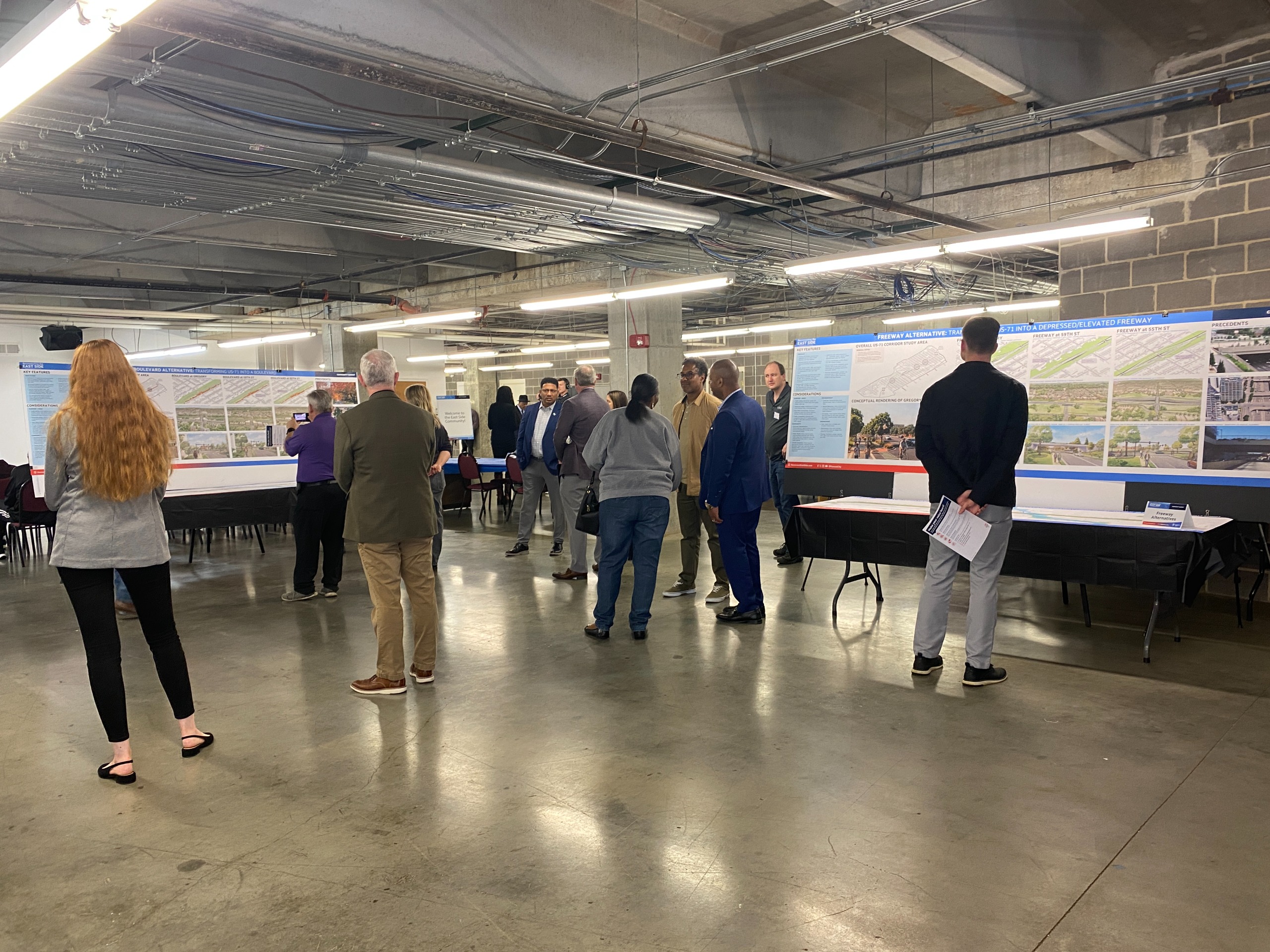
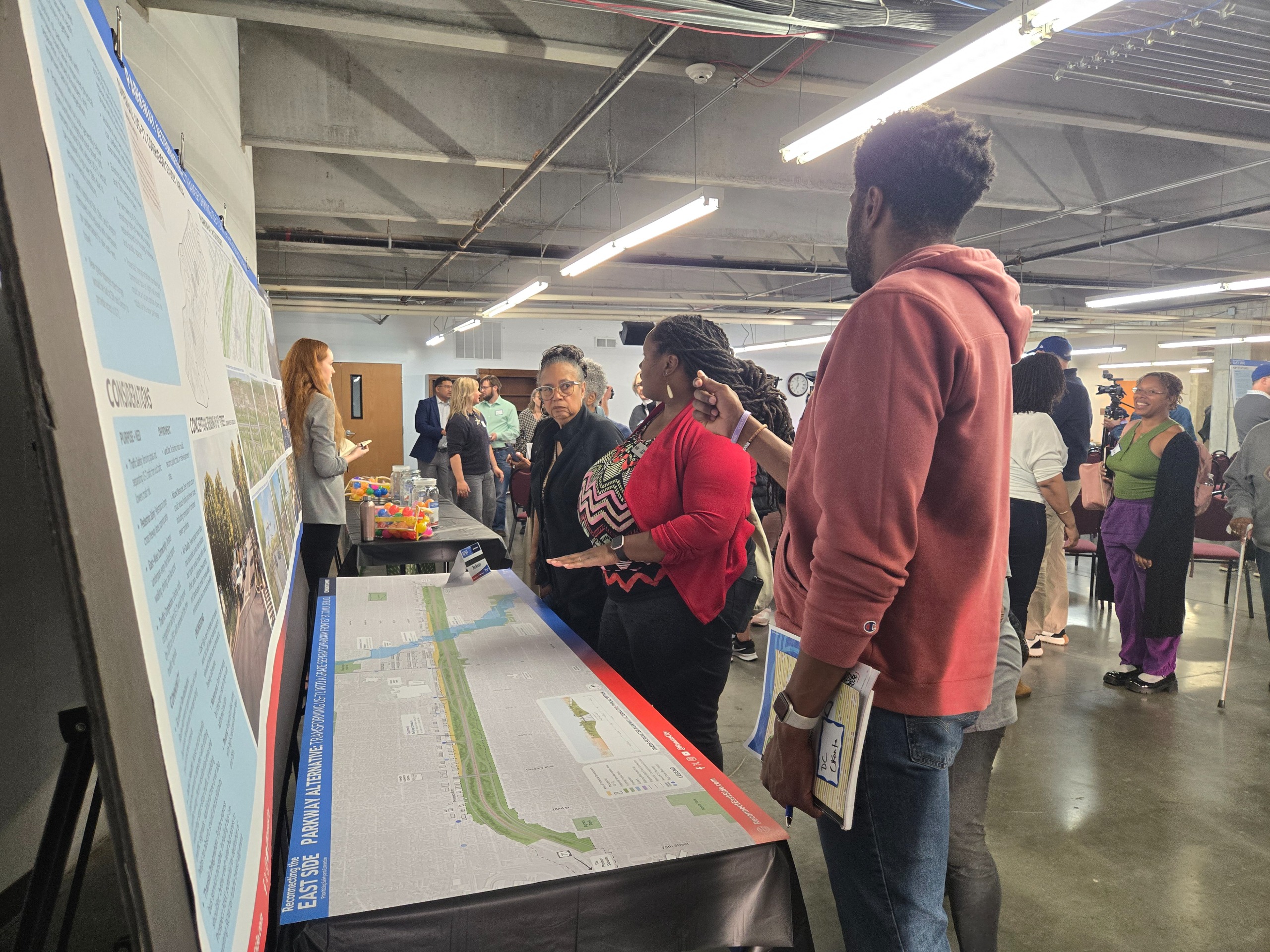
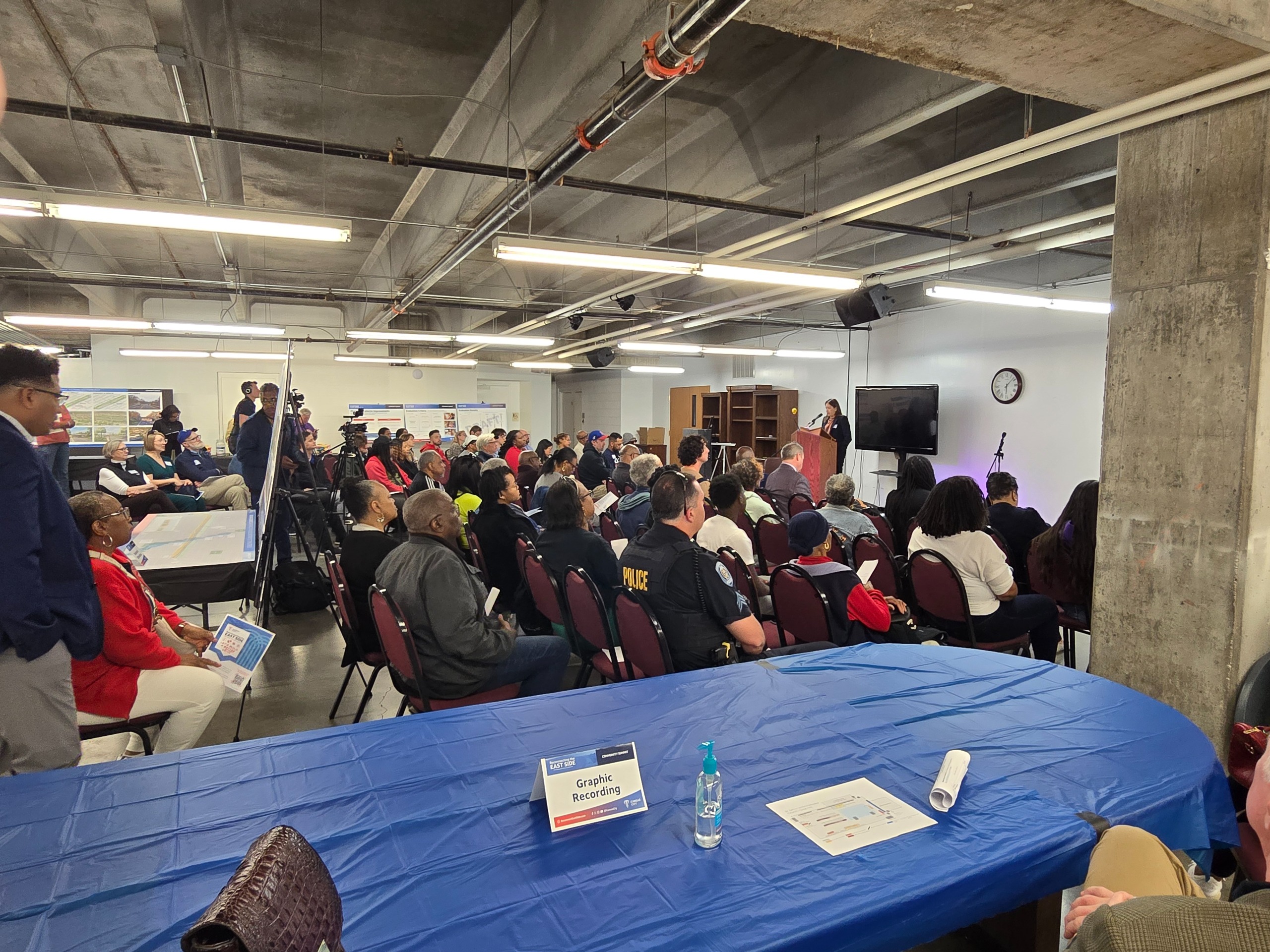
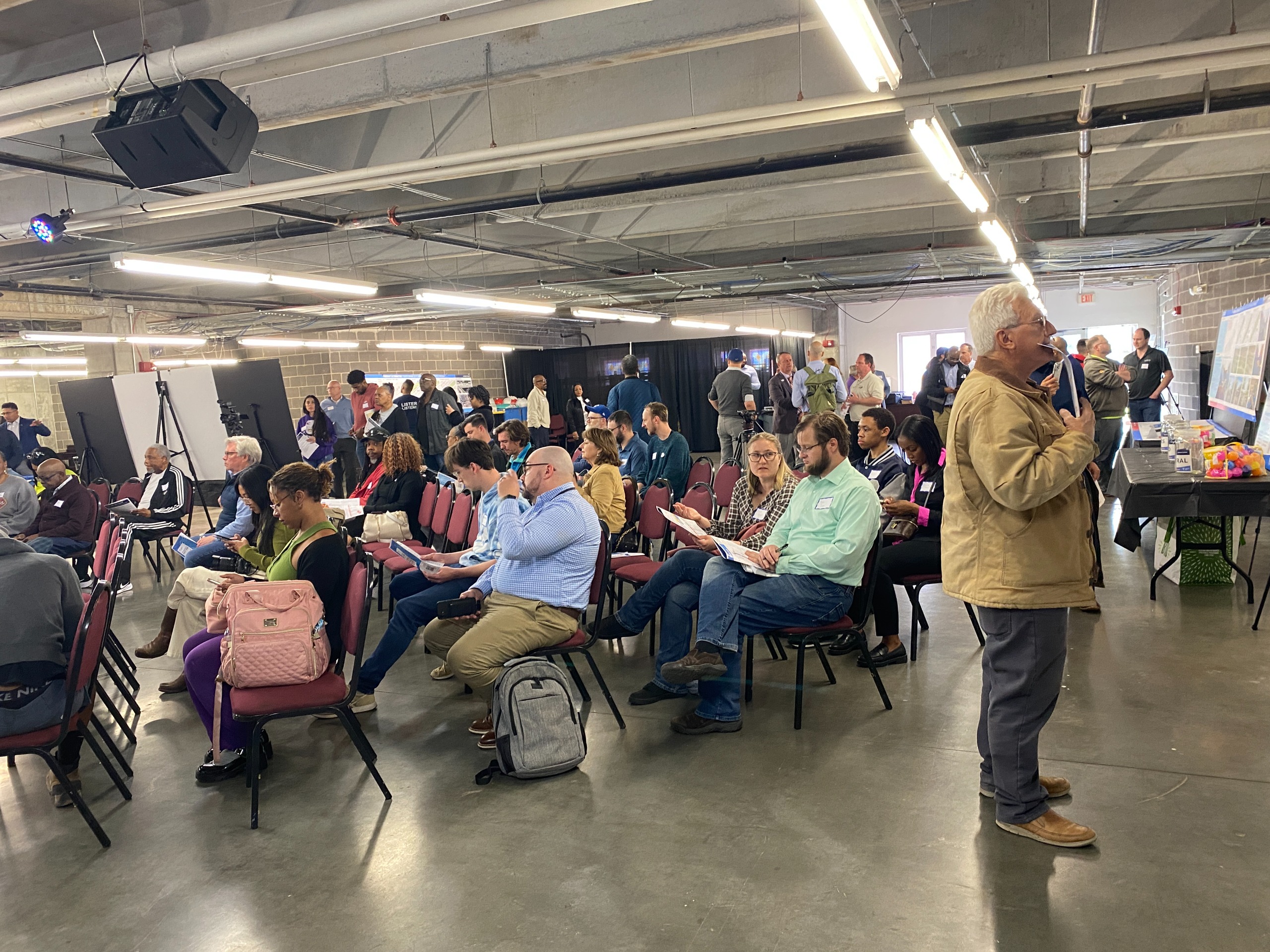
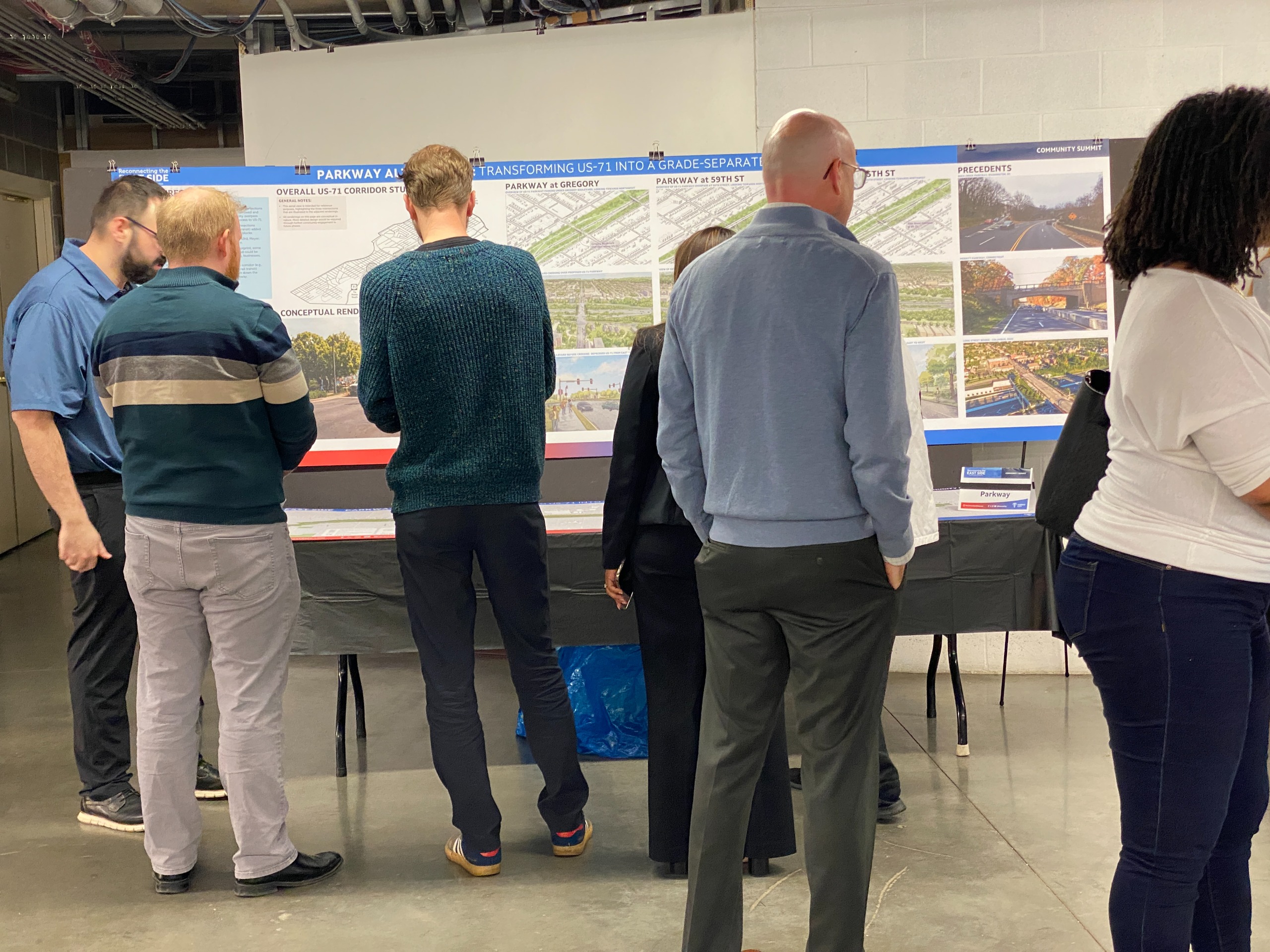
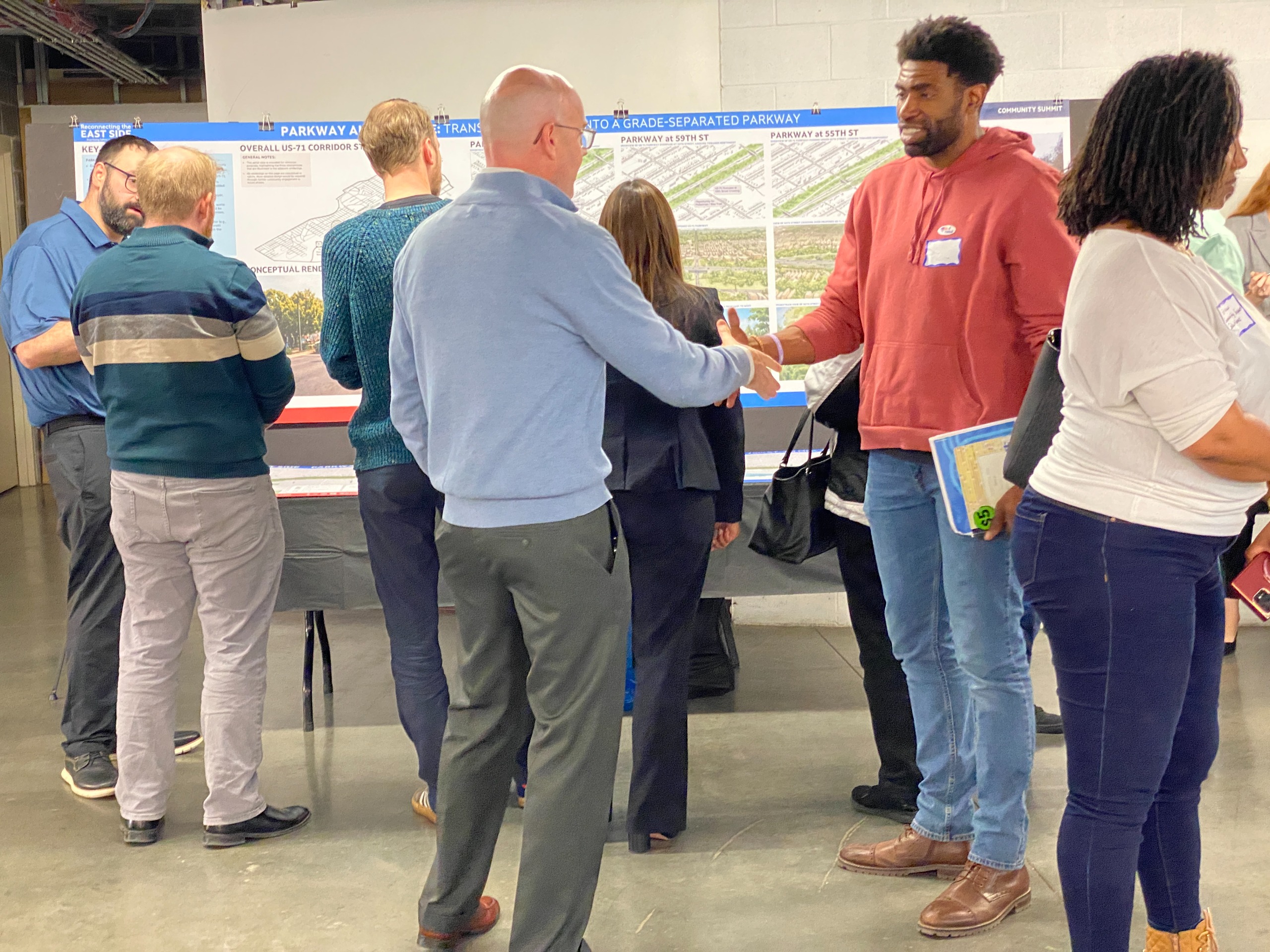
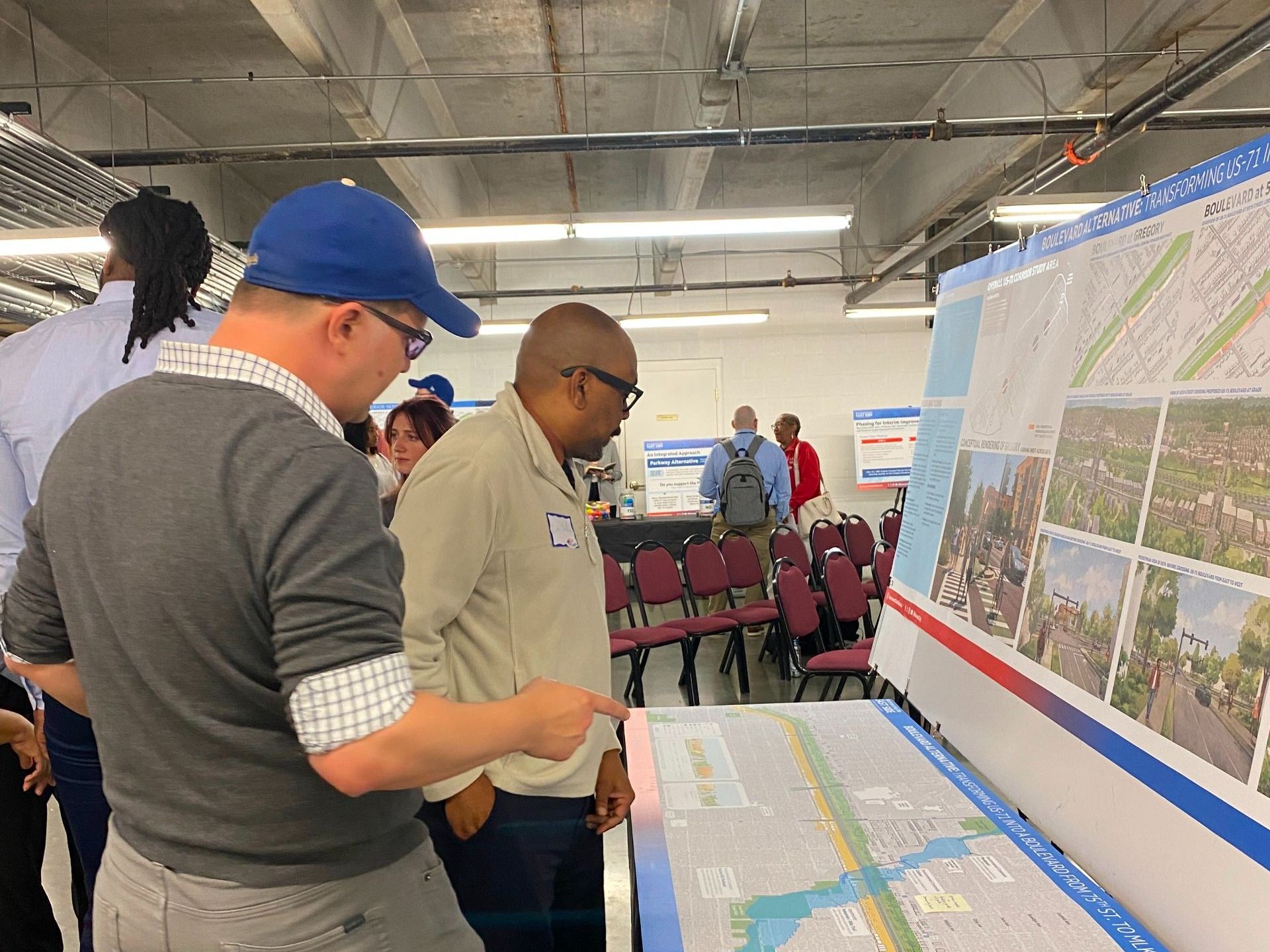
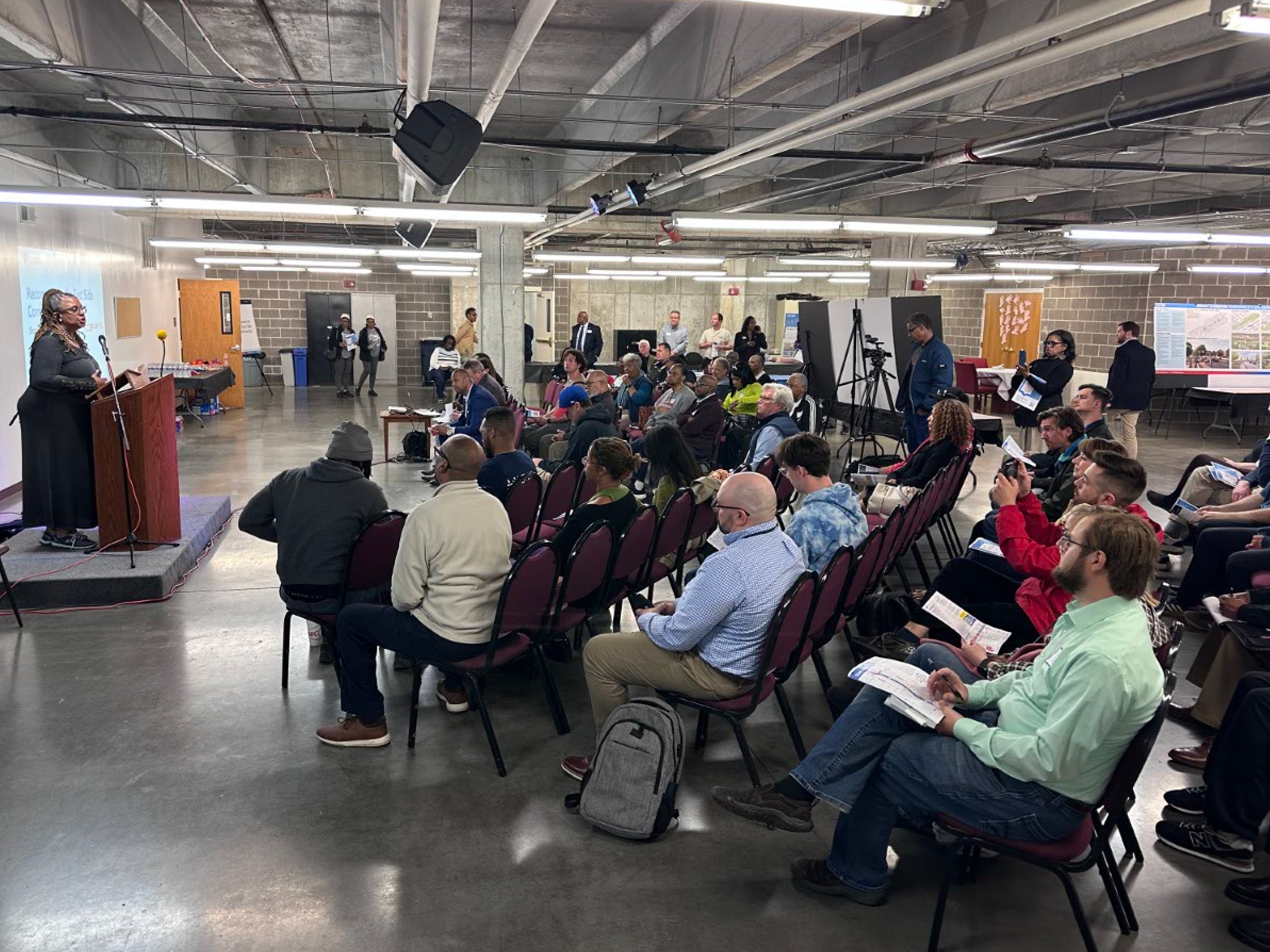
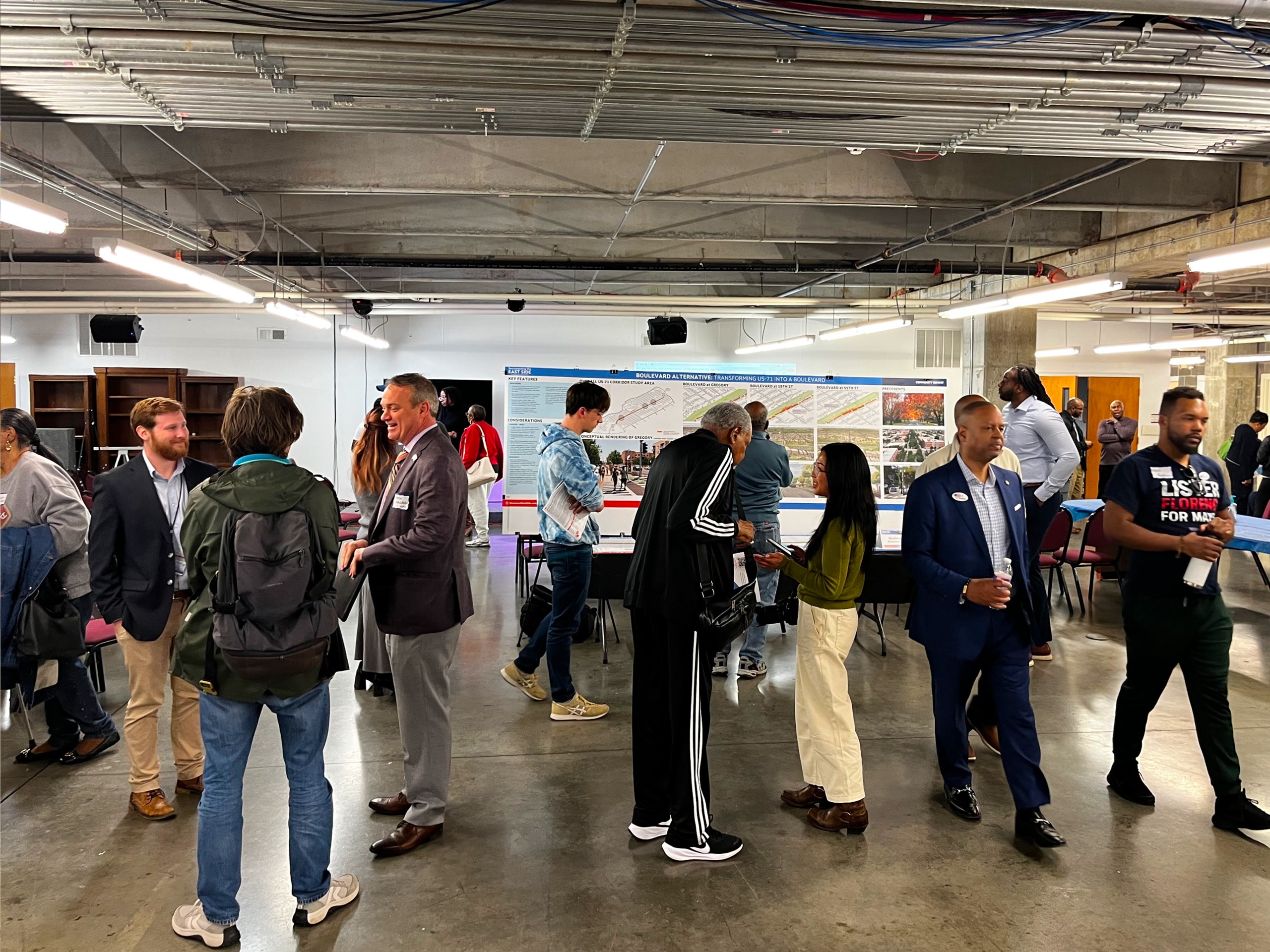
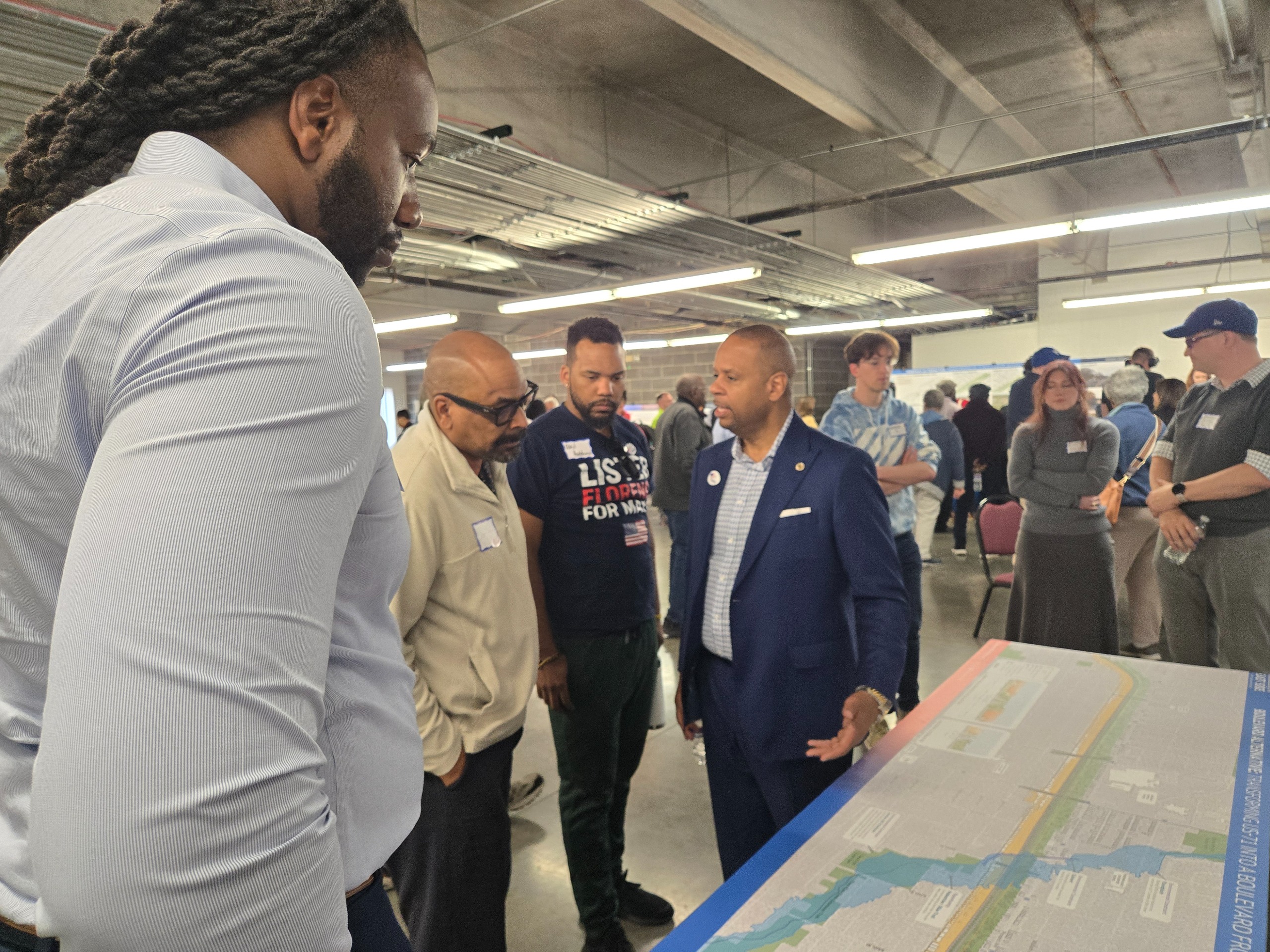
Let's Build a Better US-71! Share Your Voice: Join us to discuss an integrated approach for US-71 at Community Summit #4 on April 7, 2026.

Let's Build a Better US-71

Community Summit #4 Engagement

Be part of the conversation and share your voice!

Purpose and Need

Purpose and Need

Purpose and Need for Reconnecting the East Side project on US-71 Corridor.

This foundation is critical for developing alternatives, justifying expenses, and ensuring a project addresses the correct problems in the community.

  • Purpose of the Project

    The purpose of the Reconnecting the East Side project is to address safety, multimodal access and mobility, and congestion challenges on the US-71 corridor.


  • Project Needs

    • Improve safety: The US-71 Corridor crash rate is twice the statewide average and has a high number of fatal and serious injury crashes.
    • Enhance multimodal access and mobility: The US-71 Corridor is a barrier for east-west multimodal access and mobility in the Study Area.
    • Reduce congestion: The US-71 Corridor is congested during peak hours and impacts Study Area residents in multiple ways.
  • Additional Community Goals

    • Address the existing effects of US-71 Highway on nearby properties and residents.
      • Promote opportunities for economic development and affordable housing that builds on existing efforts and makes US-71 a neighborhood amenity and regional destination.
      • Address public health issues.
    • Implement feasible and cost-effective solutions.
    • Develop strong partnerships with the local community so that corridor improvements reflect community priorities.

Evaluation Results

Evaluation Results

Preliminary Screening Results

How well Alternatives Meet the Evaluation Criteria.
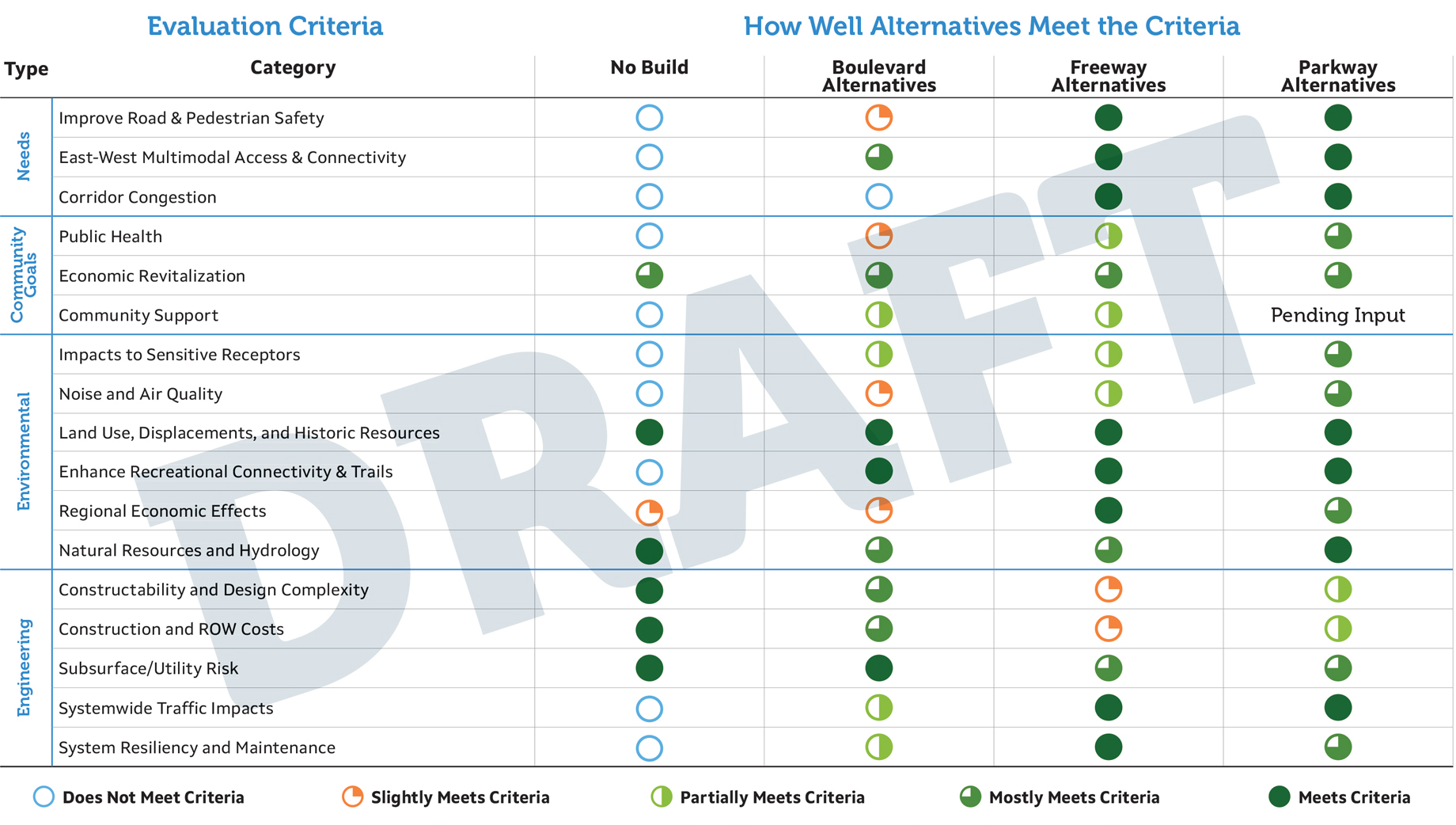
Table of Evaluation Criteria and how well the Alternatives (No Build, Boulevard, Freeway, Parkway) Meet the Criteria

An Integrated Approach

An Integrated Approach

Data-Driven and Based on Community Feedback

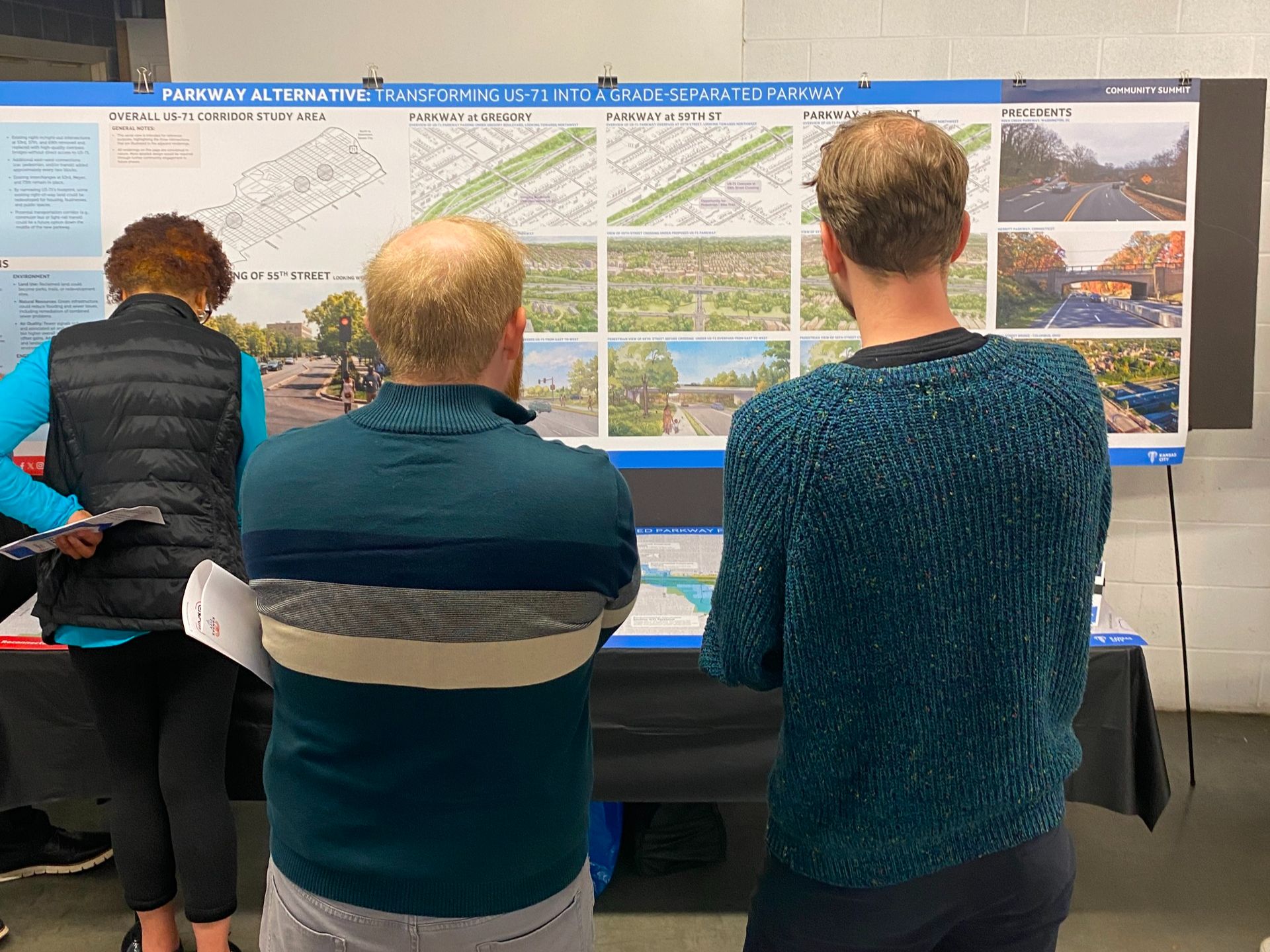
After considering all factors, the project team explored an integrated approach: the Parkway Alternative - which brings together community priorities and interests with a strong focus on prioritizing safety improvements and reducing congestion.


Parkway Alternative

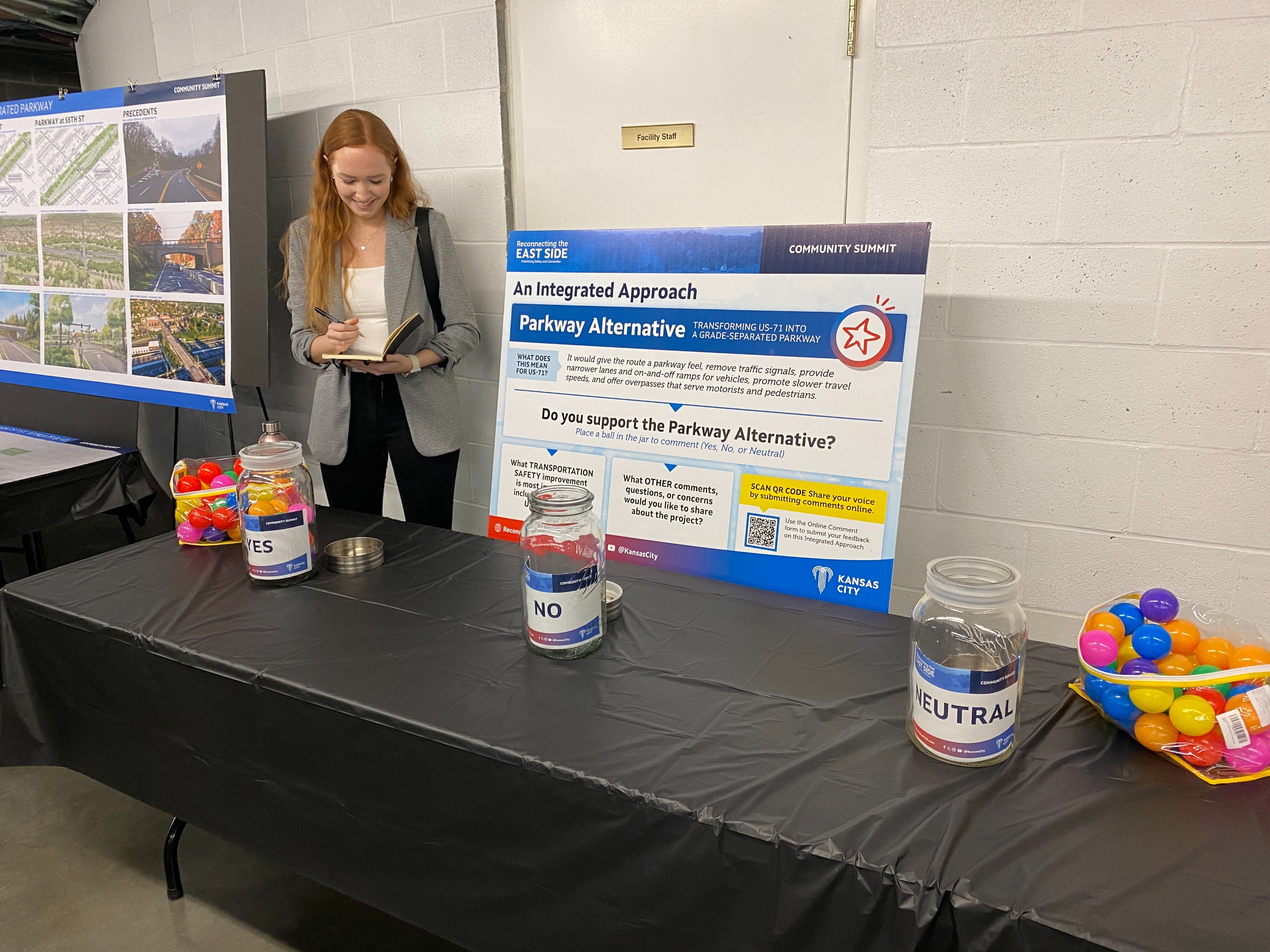
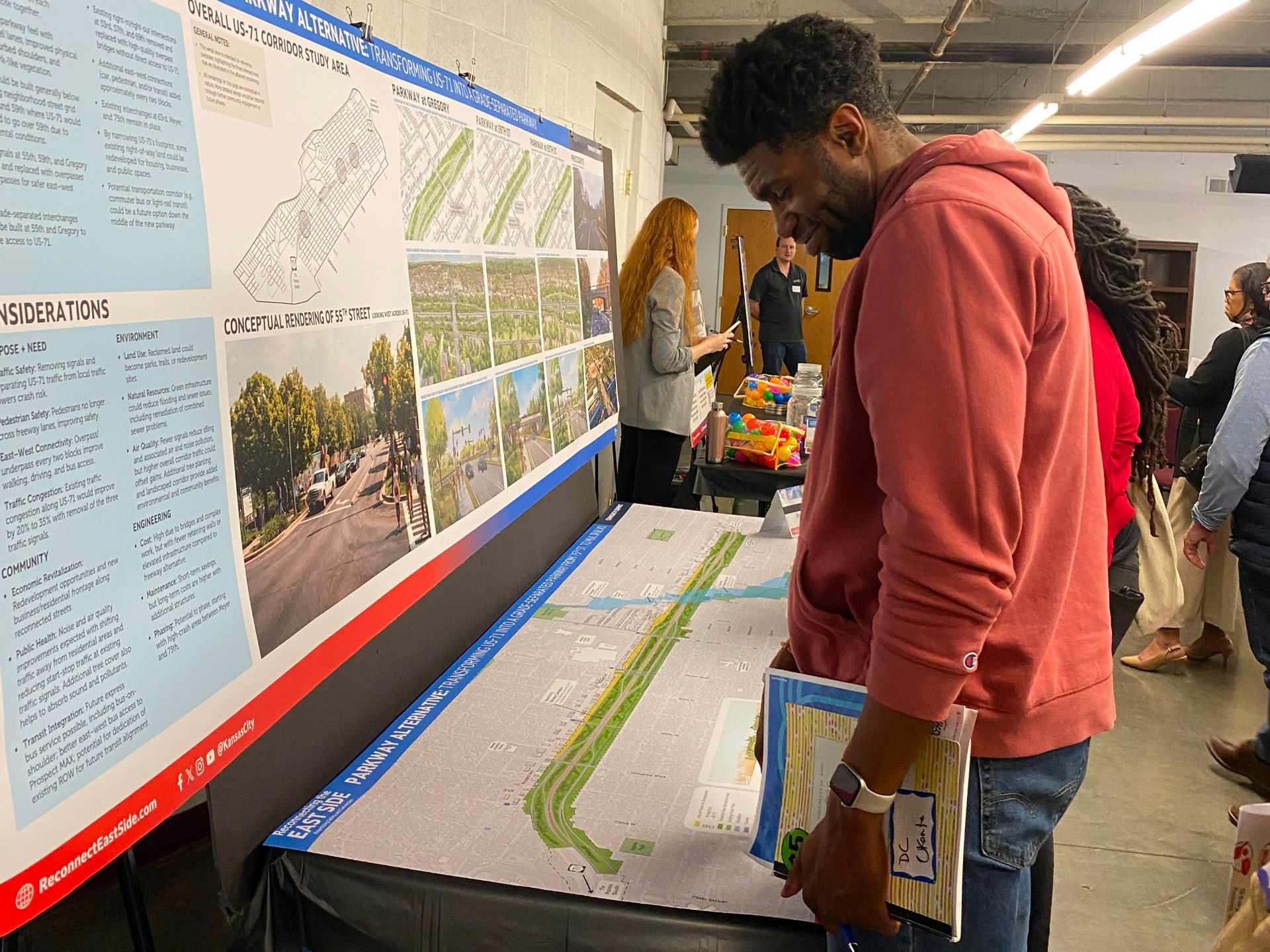
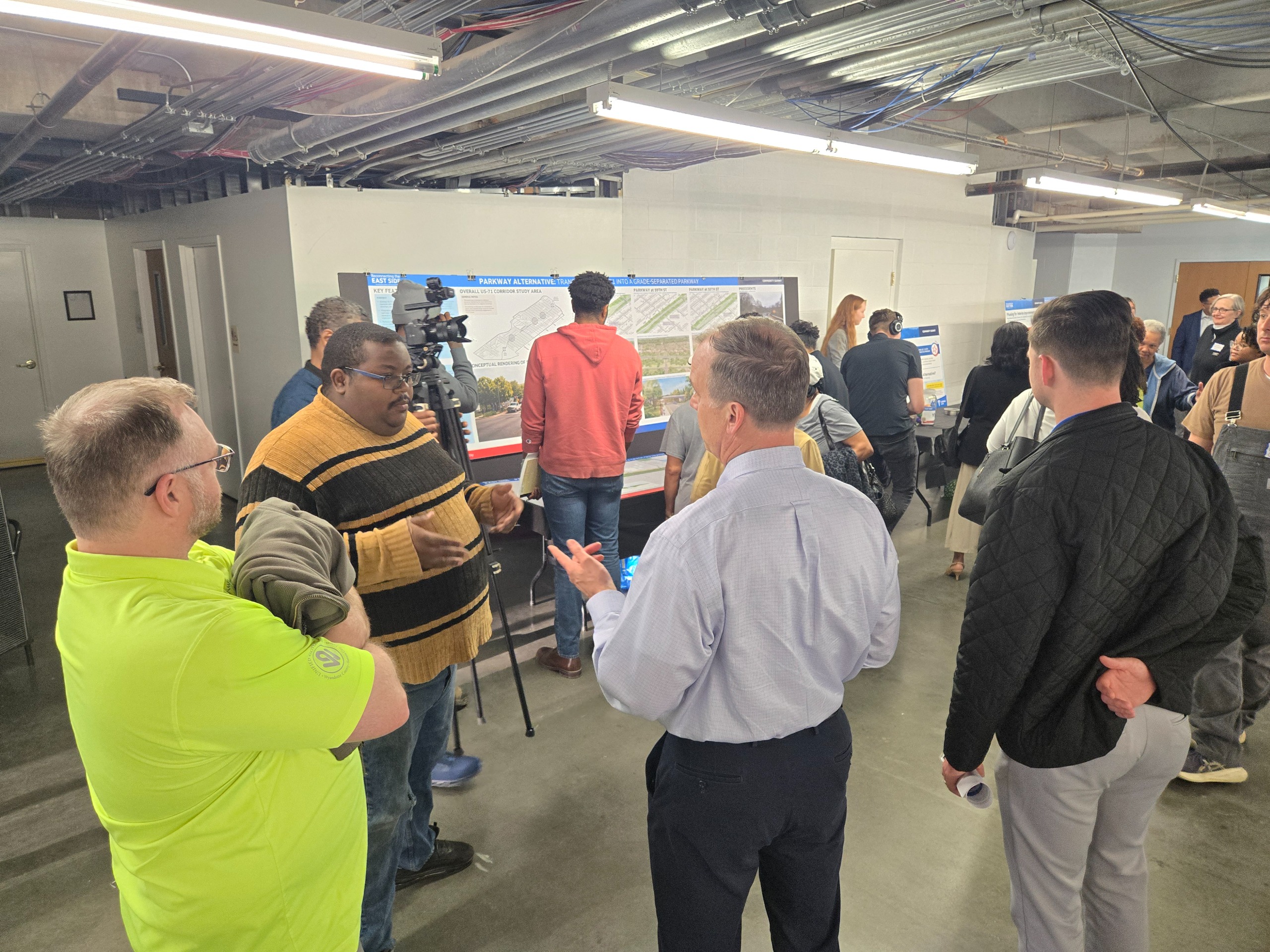
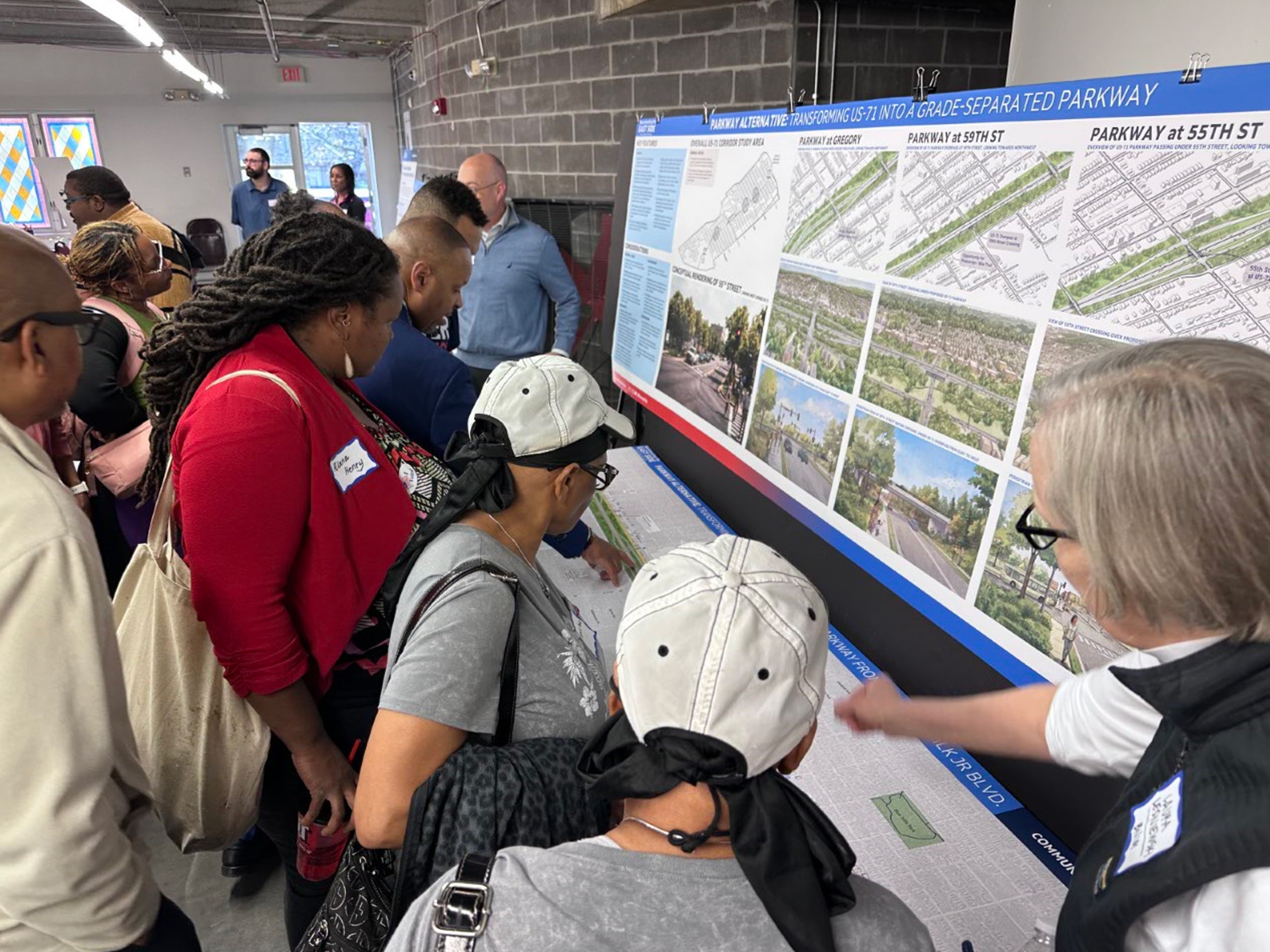
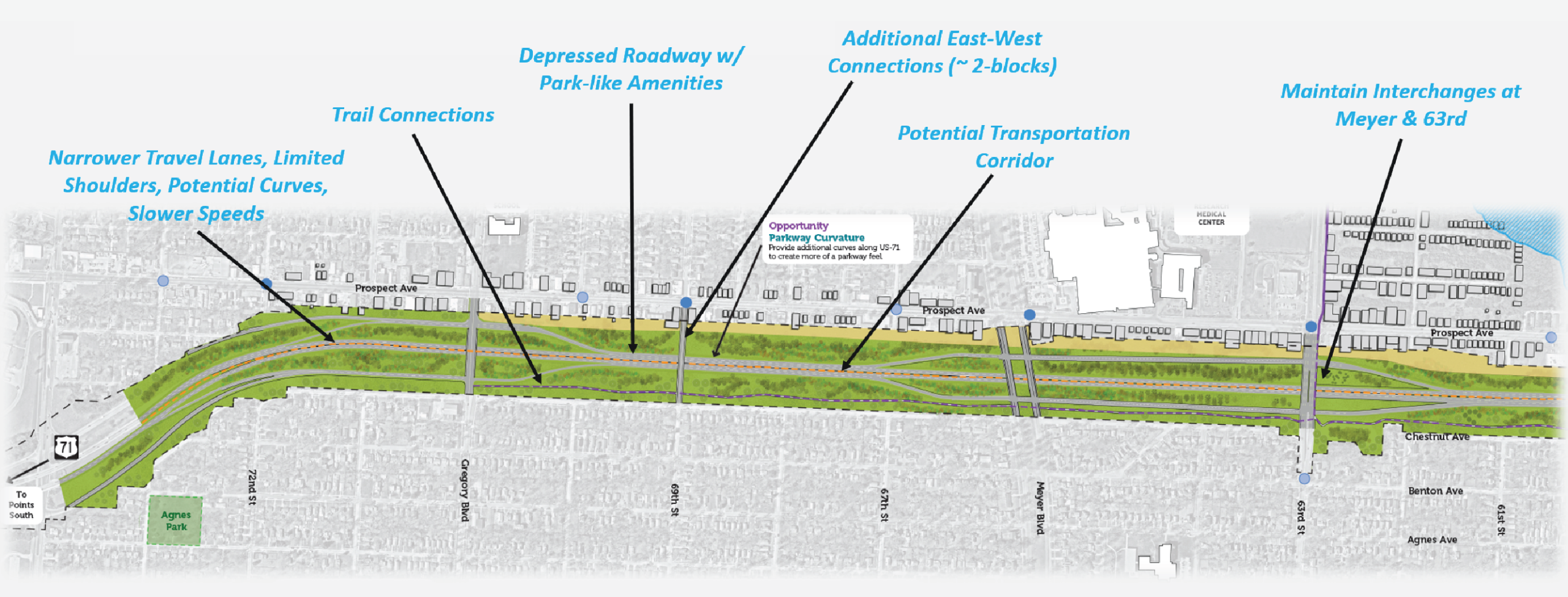
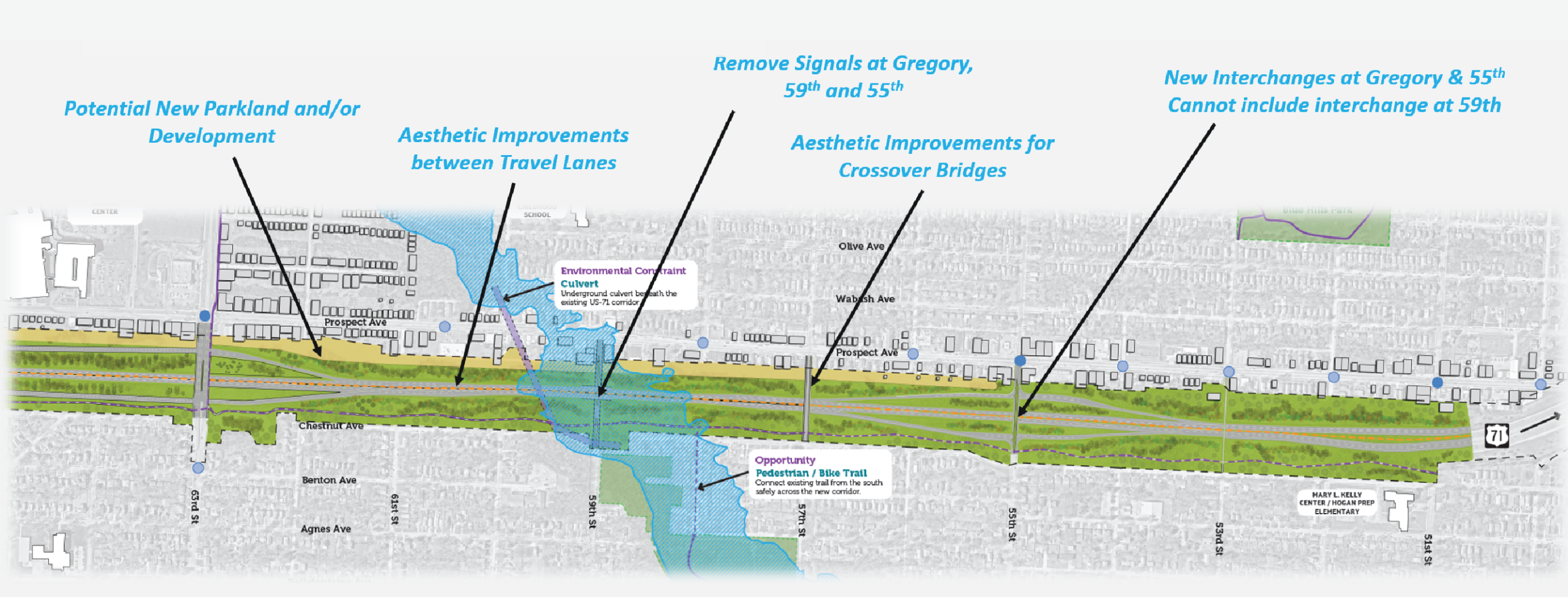
Transforming US-71 from 75th St. to MLK Jr Blvd. into a Grade-Separated Parkway: It would give the route a parkway feel, remove traffic signals, provide narrower lanes and on-and-off ramps for vehicles, promote slower travel speeds, and offer overpasses that serve motorists and pedestrians.

Some examples of what it could feel like...

  • At Gregory Boulevard looking northwest...

    • Parkway depressed with vegetated side slopes.
    • Cross streets are grade-separated from US-71
    • Integration of landscaping, vegetation, trees, etc.
    • Reduced interactions with higher speed US-71 traffic.
  • New Gregory Boulevard looking west...

    US-71 Parkway running under Gregory Boulevard

    • Parkway depressed and out of sight.
    • Wider US-71 bridge to create a Boulevard-type feel.
    • Easier and safer access for bikes and pedestrians across US-71.
    • Reduced interactions with higher speed US-71 traffic.


  • New 55th Street looking west...

    US-71 Parkway running under 55th Street

    • Integration of landscaping, vegetation, trees, etc.
    • Local art opportunities
    • Improved trail connections
    • Potential developable land on either side

Advantages / Disadvantages

  • Advantanges

    • Meets all elements of the Purpose & Need including improving safety, east-west connectivity, and congestion relief.
    • Provides opportunities for economic revitalization and the potential for improving public health along corridor.
    • Combines the traffic benefits of the freeway with the community benefits of the boulevard alternatives.
    • Creates a multimodal corridor supportive of pedestrians, bicycles, and transit.
    • Potential opportunities for economic development and infill development due to excess ROW.
  • Disadvantages

    • High construction costs. Approximately $110-$120M
    • Long term maintenance needs for landscaping and multimodal mobility features.

Interim Phasing

Phasing for Interim Improvements

Reconfiguration with a Parkway feel, improved Community Access, and Frequent Grade-Separated Connections

Project Team Phasing:

  • Step 1

    Work with MoDOT to determine which short-term improvements (brush clearing, pedestrian improvements, etc.) will be completed and which party will be responsible:

    • Improved signal timings for pedestrians
    • Brush clearing to improve visibility
    • Advanced warning signing
    • Improved overhead lighting or high contrast pavement markings
  • Step 2

    Phase additional improvements, ensuring they are consistent with those that can occur long-term and after the Federal Consent Decree process:

    • Design and construction south of Meyer Blvd to shift lanes to the middle and provide grade separation at Gregory Blvd.
    • Remove right-in, right-out access points. Improve acceleration/deceleration lanes, turn lanes, and/or enhanced shoulders.
    • Design and construction north of Meyer Blvd to shift lanes to the middle and provide grade separation at crossings.

After the 1985 Consent Decree has been modified or dissolved, design could start relatively quickly on the Gregory Boulevard (75th Street to Meyer Boulevard) section.

🗨️ COMMENT FORM

Comment Form

Share Your Feedback

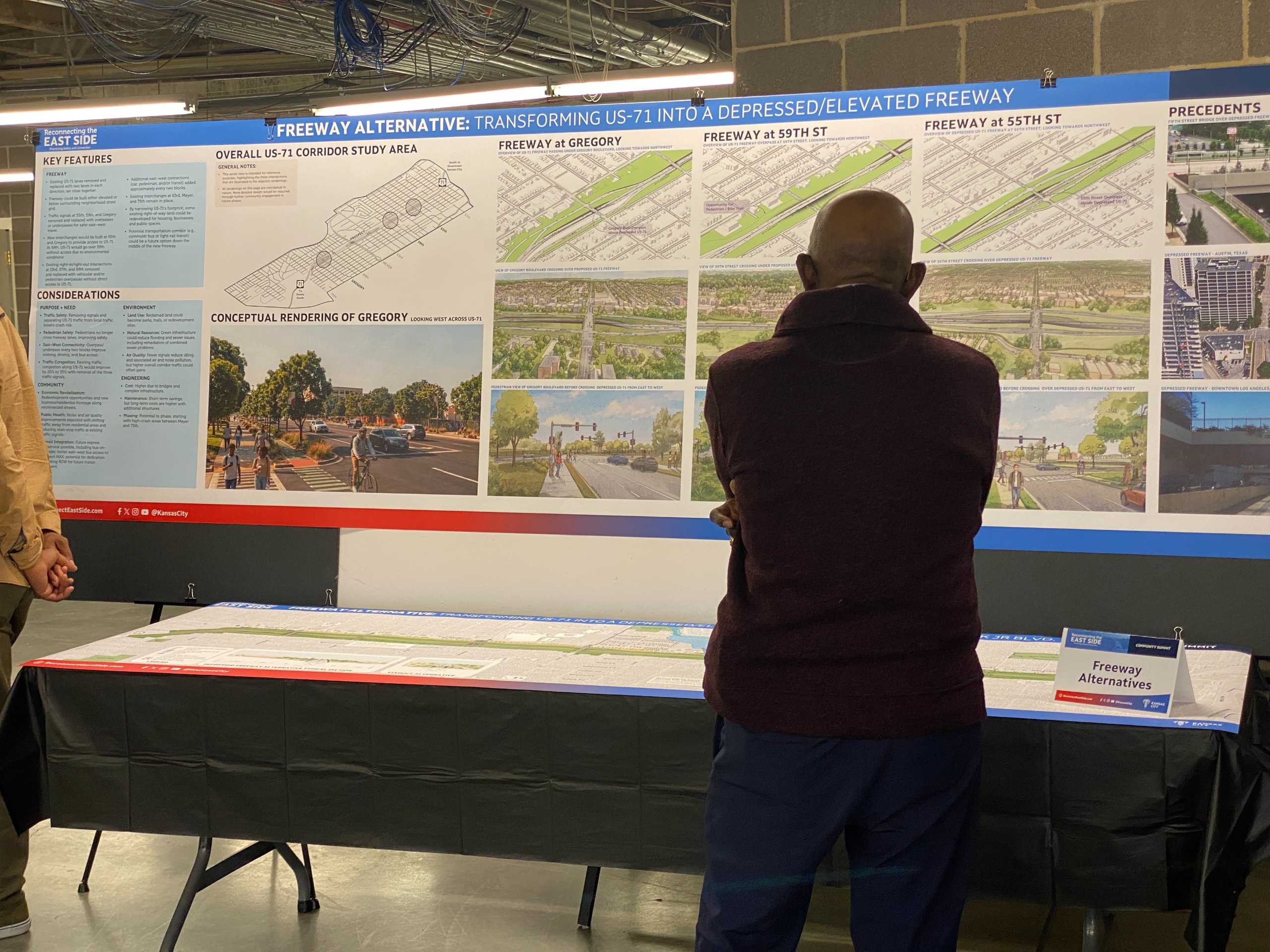
Based on transportation safety concerns and much more, thousands of Kansas Citians shared their visions for a reimagined US-71. Their initial alternatives included changing US-71 into a freeway, converting it to a parkway/boulevard with stop lights and cross-street intersections, or removing the highway entirely to rebuild local streets. The effort to refine the alternatives involved considering detailed technical analyses and more community input. With the findings in mind and ideas from members of the community, a New Parkway Design Alternative has been developed with the intend of working towards community goals while addressing identified needs. The design would give the route a parkway feel, but unlike those in the community’s existing parkway/boulevard system, it would remove traffic signals, provide narrower lanes and on-and-off ramps for vehicles, promote slower travel speeds, and offer overpasses that serve motorists and pedestrians.

Kansas City Logo

Contact Us

Have questions or want to learn more about a project, contact us below:

Contact Information
Name Project Manager – Selina Zapata Bur, AICP
Phone (816) 710-6385
Email Contact@ReconnectEastSide.com
Website www.kcmo.gov

Missouri Department of Transportation anticipates incorporating recommendations made as part of the PEL study into future NEPA studies, per Title 23 of the US Code, Part 168.
Stay involved and learn more about the Reconnecting the East Side project by signing up to receive updates about the project and upcoming events.

We are on